
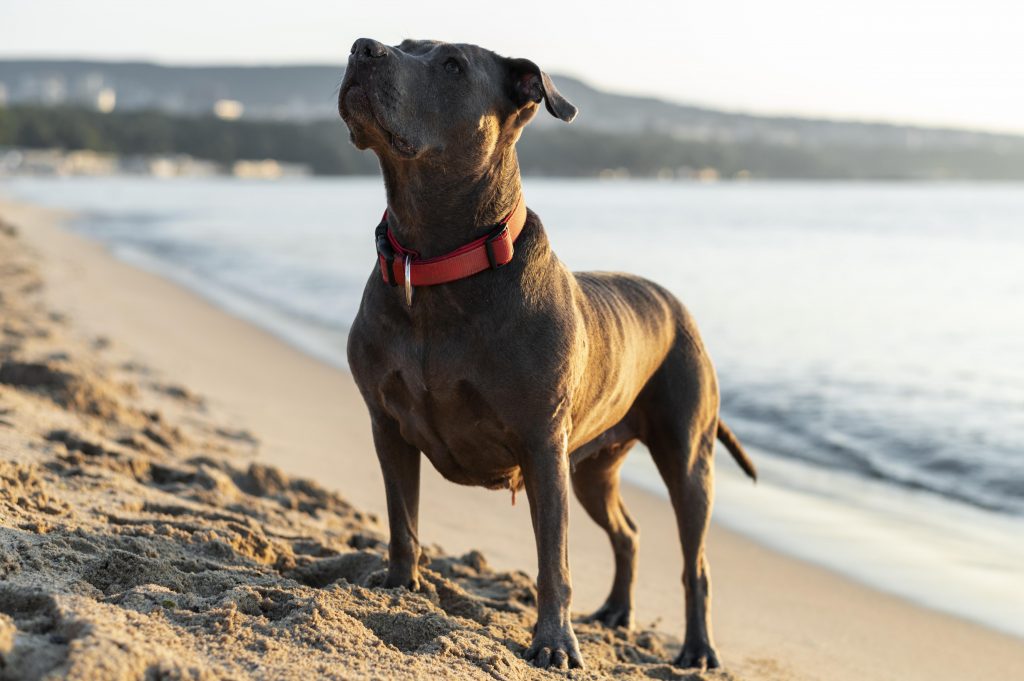
If you have ever wondered why a Pit Bull follow you everywhere, the answer usually comes down to loyalty, trust, and a strong emotional bond with their owner.
In most situations, a Pit Bull follows you everywhere because of trust, attachment, and emotional security. While this behavior often reflects love and loyalty, it can sometimes become excessive. Understanding the reasons behind it helps you encourage a healthy balance between closeness and independence.
The Natural Loyalty of Pit Bulls
Pit Bull follow you everywhere have a long history of working closely with humans. Unlike breeds developed for solo tasks, Pit Bulls evolved alongside people. Because of this background, they naturally stay alert to human movement and behavior.
This loyalty shows itself in daily life. Your Pit Bull wants to know where you are and what you are doing. Staying close allows your dog to feel included and secure.
In many cases, this behavior represents a positive bond rather than a problem.
Attachment and Emotional Security
Dogs form attachments much like people do. For Pit Bulls, attachment often runs deep. When your dog follows you, it usually seeks reassurance and emotional safety.
Your presence provides comfort. Being near you reduces uncertainty and stress. This tendency increases in new environments, busy homes, or during changes in routine.
Rather than signaling dependence, this behavior often shows that your dog trusts you completely.
6 Detailed Reasons Your Pit Bull Follows You Everywhere
1. Safety Comes From Familiar Presence
Dogs rely on trusted humans for guidance. When your Pit Bull follow you everywhere stays near you, it feels protected. This instinct becomes stronger in unfamiliar situations or loud environments.
2. Strong Trust Shapes the Behavior
Trust drives attachment. Your Pit Bull sees you as a reliable leader. Because of that, following feels natural and reassuring.
3. Social Nature Encourages Closeness
Pit Bulls are social dogs. Isolation does not appeal to them. Staying near people satisfies their need for interaction and belonging.
4. Rewards Reinforce the Habit
Food, walks, toys, and affection usually come from you. Over time, your dog associates your presence with positive experiences. Following becomes a learned behavior.
5. Body Language Signals Create Anticipation
Dogs read subtle cues well. When you stand, your Pit Bull expects action. That anticipation often triggers following behavior.
6. Affection and Enjoyment Matter
Sometimes the simplest reason applies. Your Pit Bull enjoys your company. Being near you makes your dog happy.
Breed Traits That Encourage Following Behavior
Pit Bulls share certain personality traits that promote closeness. These include:
-
High emotional sensitivity
-
Strong people orientation
-
Desire for physical proximity
-
Responsive temperament
Because of these traits, Pit Bulls often behave like “velcro dogs.” This description does not indicate a flaw. Instead, it reflects how closely they bond with humans.
Normal Following vs. Problematic Behavior
Following becomes concerning only when it causes stress. Healthy following looks relaxed and calm. Problematic behavior includes anxiety and distress.
Signs of Healthy Following
-
Calm movement
-
Ability to relax alone
-
No panic when separated
Signs of Unhealthy Attachment
-
Whining or pacing
-
Scratching doors
-
Destructive behavior
-
Refusal to eat when alone
These signs suggest separation anxiety rather than simple loyalty.
Why Some Pit Bulls Become Overly Clingy
Several factors can increase clinginess:
-
Sudden routine changes
-
Lack of mental stimulation
-
Inconsistent boundaries
-
Past trauma or rehoming
-
Owner behavior that reinforces dependence
Identifying these factors helps address the root cause.
How Owner Behavior Influences Following
Human actions often reinforce following unintentionally. Constant attention, reassurance, or immediate responses teach dogs to stay close at all times.
While affection is important, balance matters. Encouraging independence helps your Pit Bull develop confidence.
How to Encourage Healthy Independence
Create Comfortable Independent Spaces
Provide a dog bed or mat in a quiet area. Reward your Pit Bull for relaxing there without following you.
Practice Controlled Separation
Start small. Step into another room briefly. Return calmly. Gradually increase the duration to build confidence.
Increase Mental Stimulation
Mental exercise tires dogs more than physical activity. Puzzle toys, scent games, and training sessions help reduce clinginess.
Maintain Predictable Routines
Consistency builds security. Regular feeding, walking, and play schedules reduce anxiety-driven behaviors.
Teach Boundary Commands
Commands like “place” or “stay” give your dog a job. These cues help your Pit Bull remain calm and settled.
What to Avoid When Managing Following Behavior
Avoid punishment. Scolding increases anxiety. Do not ignore distress signals. Avoid excessive reassurance, which reinforces dependence.
Calm, consistent responses produce the best results.
When to Seek Professional Support
If your Pit Bull panics when left alone, professional help may be necessary. A veterinarian can rule out medical causes. A certified trainer or behaviorist can create a structured plan.
Early intervention prevents long-term anxiety issues.
The Emotional Side of the Human–Dog Bond
Following behavior often reflects deep emotional connection. Pit Bulls form strong bonds and value closeness. Recognizing this helps owners respond with patience rather than frustration.
Teaching independence does not weaken the bond. Instead, it strengthens trust and confidence.
Balancing Loyalty and Independence
Healthy relationships include both closeness and space. Encouraging independence allows your Pit Bull to feel secure even when alone. At the same time, maintaining affection preserves the bond you value.
This balance leads to a calmer, happier dog.
FAQ: Why Your Pit Bull Follows You Everywhere
Why does my Pit Bull follow me everywhere I go?
Pit Bulls follow their owners everywhere because they form strong emotional bonds. In most cases, why your Pit Bull follows you everywhere comes down to trust, safety, and affection rather than dominance.
Is it bad that my Pit Bull follows me everywhere?
No, it is usually normal behavior. However, if your Pit Bull follows you everywhere and shows anxiety when alone, the behavior may signal separation anxiety and needs attention.
Why do Pit Bulls follow their owners more than other breeds?
Pit Bulls are highly people-oriented dogs. Because of their history and temperament, Pit Bulls follow their owners closely and prefer constant companionship.
How can I stop my Pit Bull from following me everywhere?
You can reduce Pit Bull following behavior by teaching independence, using boundary training, and providing mental stimulation. Calm, consistent routines also help.
Is following behavior a sign of separation anxiety in Pit Bulls?
Sometimes. If your Pit Bull follows you everywhere and panics when separated, anxiety may be present. Professional guidance can help in these cases.
Do Pit Bulls grow out of following behavior?
Some Pit Bulls naturally become more independent with age. However, training plays a larger role than time alone when addressing why Pit Bulls follow their owners.
Should I discourage my Pit Bull from following me everywhere?
You should not punish the behavior. Instead, guide your dog toward healthy independence while maintaining trust and affection.
Conclusion: Understanding Why Your Pit Bull Follows You Everywhere
Understanding why your Pit Bull follows you everywhere helps you respond with patience instead of frustration. In most cases, this behavior reflects loyalty and trust. With proper guidance, your Pit Bull can remain devoted while learning confidence and independence.