
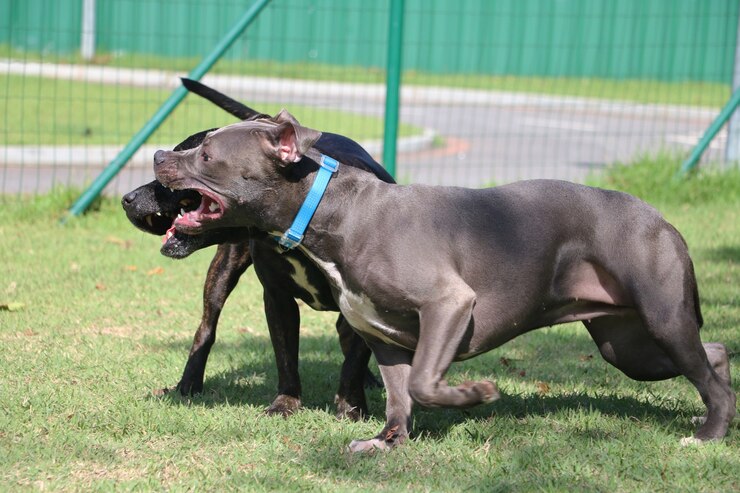
Many people worry about the idea that a Pit Bull will attack, especially when they hear alarming stories in the media. However, understanding the warning signs, behavior triggers, and environmental factors that influence dogs helps people recognize when a situation may become dangerous and how to prevent it.
Pit Bulls frequently appear in discussions about aggression. Nevertheless, behavior does not depend on breed alone. Instead, environment, training, health, and experience shape how any dog responds to stress.
Why Dogs Display Aggressive Behavior
Aggression serves as communication. In most cases, dogs use it to create distance when they feel unsafe. For this reason, aggression often reflects fear rather than intent to harm.
Common triggers include:
-
Fear or anxiety
-
Poor socialization
-
Past trauma
-
Physical pain
-
Resource guarding
When these factors overlap, risk increases significantly.
Understanding Pit Bull Behavior Without Stereotypes
Pit Bulls remain one of the most common dog types in the United States. Despite popular belief, they do not behave aggressively by default. In fact, many Pit Bulls show affectionate and people-oriented traits.
However, problems arise when stress goes unmanaged. As a result, misinterpretation often fuels fear rather than understanding.
Visual Stress Signals Owners Should Recognize
Dogs communicate discomfort through body language. Therefore, observing posture matters.
Common visual signs include:
-
Stiff or frozen stance
-
Tail held high or tightly tucked
-
Ears pinned backward
-
Avoidance or turning away
Although subtle, these cues signal emotional overload.
Behavioral Changes That May Escalate
Behavioral shifts often appear before serious incidents. For example, a dog may suddenly guard space or react strongly to touch.
Additional warning behaviors include:
-
Growling or snarling
-
Lunging without contact
-
Intense staring
-
Raised hackles
At this stage, intervention still works if handled calmly.
The Role of Fear, Trauma, and Past Experience
Fear-based aggression remains common. In many cases, dogs react defensively due to negative past experiences. Consequently, rescue dogs may require extra patience.
Without consistent support, fear responses intensify over time.
Medical Causes That Influence Aggression
Pain changes behavior quickly. For instance, joint problems, dental pain, or internal illness can trigger defensive reactions.
Therefore, regular veterinary exams help rule out hidden causes. Once pain resolves, behavior often improves.
Environmental Factors That Increase Stress
A dog’s environment strongly influences behavior. For example, loud noises or crowded spaces overwhelm sensitive dogs.
Risk factors include:
-
Chaotic routines
-
Lack of exercise
-
Limited mental stimulation
As conditions stabilize, stress levels drop.
Training and Socialization as Prevention Tools
Training builds confidence. Moreover, positive reinforcement improves emotional control. When dogs learn predictability, anxiety decreases.
Socialization also matters. By exposing dogs early, owners reduce fear responses later in life.
What to Do When a Dog Shows Warning Signs
When warning signs appear, calm action matters most. Instead of reacting suddenly, increase distance slowly.
Helpful steps include:
-
Avoiding direct eye contact
-
Keeping movements controlled
-
Exiting the situation safely
If behaviors repeat, professional guidance becomes necessary.
The Importance of Professional Support
Certified trainers and veterinary behaviorists assess triggers accurately. As a result, tailored behavior plans reduce risk.
Early intervention, rather than punishment, delivers the best outcomes.
Responsible Ownership and Community Safety
Responsible ownership protects everyone. Therefore, owners must address behavior changes early.
Key responsibilities include:
-
Consistent training
-
Supervised interactions
-
Daily exercise
-
Mental enrichment
Over time, these habits prevent incidents.
Why Dogs Do Not Act Without Warning
Dogs do not attack unpredictably. Instead, humans often overlook signals. Once people learn canine body language, misunderstandings decrease dramatically.
Aggression reflects unmet needs, not breed identity.
Long-Term Prevention Strategies
Prevention requires commitment. First, maintain structure. Next, encourage calm behavior indoors. Finally, monitor emotional health closely.
Together, these strategies build trust and stability.
Frequently Asked Questions About Dog Aggression and Pit Bulls
Do Pit Bulls attack without warning?
No. Like all dogs, Pit Bulls display warning signs before aggressive behavior. These include body stiffness, growling, avoidance, or changes in posture. Recognizing these signs helps prevent escalation.
What are the most common signs of stress or aggression in dogs?
Common signs include pinned-back ears, stiff posture, intense staring, growling, raised hackles, and avoidance behaviors. These signals indicate discomfort rather than sudden aggression.
Are Pit Bulls naturally more aggressive than other breeds?
No. Behavior depends on training, socialization, environment, and health. Pit Bull will attack are not inherently more aggressive than other breeds when raised responsibly.
Can pain or illness cause aggressive behavior?
Yes. Pain is a major trigger for aggression. Dogs experiencing discomfort may react defensively when touched. Regular veterinary care helps identify medical causes early.
What should I do if a dog shows warning signs of aggression?
Stay calm, avoid sudden movements, create distance slowly, and remove yourself from the situation when possible. If the dog belongs to you, seek help from a veterinarian or certified trainer.
How can owners prevent aggression in dogs?
Prevention includes early socialization, positive training, daily exercise, mental stimulation, and addressing behavior changes promptly. A stable environment reduces stress significantly.
Should aggressive behavior always be handled by a professional?
Yes. Repeated or escalating aggression requires guidance from a certified trainer or veterinary behaviorist to ensure safety and proper treatment.
Conclusion
Dog aggression develops through a combination of stress, fear, health, and environment. However, with education and awareness, incidents remain preventable. Pit Bull will attack, like all dogs, communicate before escalation.
Ultimately, understanding behavior saves lives, strengthens bonds, and replaces fear with responsibility.