
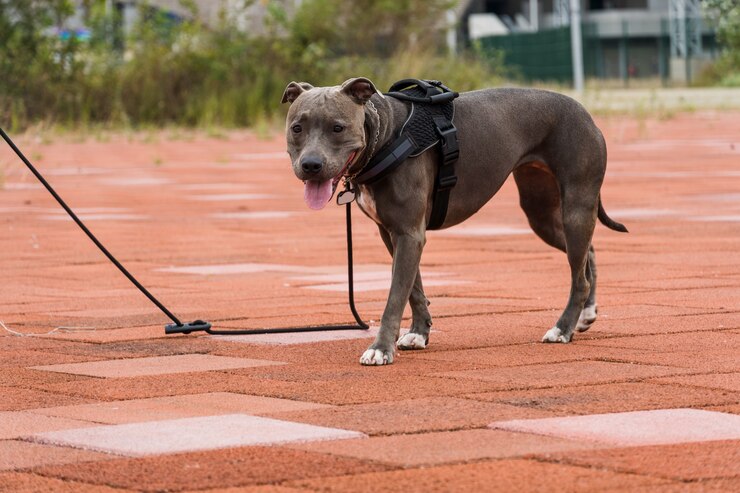
Dig and How to Stop Them is a common concern for many dog owners who feel frustrated by holes in the yard and damaged spaces. At first, digging may seem like bad behavior. However, dogs usually dig for natural reasons such as boredom, curiosity, or instinct. By understanding dig and how to stop them, owners can address the root cause and guide their dogs toward better habits.
Over time, I discovered that Pit Bulls often act misunderstood rather than dangerous. In fact, when people understand their instincts, habits, and emotional needs, their behavior becomes far less confusing.
Are Pit Bulls Good Dogs?
Pit Bulls can make excellent dogs. In many households, they show loyalty, affection, and strong bonds with their families. However, like any breed, they require guidance, structure, and consistent training.
Because Pit Bulls are intelligent and energetic, they need both mental and physical stimulation. Without it, they may develop behaviors such as digging, chewing, or excessive barking. Therefore, understanding their needs plays a critical role in raising a balanced dog.
Why Pit Bulls Often Dig
Digging is one of the most common behaviors Pit Bull owners notice. At first glance, digging may appear destructive. However, dogs dig for reasons rooted in instinct.
Digging for Comfort and Security
Pit Bulls often dig to create a comfortable resting spot. For example, during hot weather, they may dig into cooler soil. As a result, digging helps them regulate body temperature.
Digging to Follow Scents
Dogs experience the world through scent. Because of this, Pit Bulls may dig where they smell people, animals, or food. In many cases, they simply want to explore something interesting.
Digging Out of Curiosity
Pit Bulls are curious by nature. Therefore, they dig to investigate textures, smells, and hidden objects. Over time, curiosity-driven digging may become habitual.
Digging for Fun or Release of Energy
Sometimes, Pit Bulls dig because it feels rewarding. Especially when they feel bored, digging offers physical activity and stimulation.
Four Common Reasons Pit Bulls Dig Frequently
While digging often overlaps in motivation, several key reasons appear more often.
1. Attraction to Smells
Pit Bulls possess strong noses. As a result, they dig where scents seem exciting or unfamiliar.
2. Desire for Play
Pit Bulls enjoy interactive experiences. Consequently, digging becomes a form of play, especially when toys or objects appear buried.
3. Burying Valued Objects
Some Pit Bulls dig to hide toys or treats. Similarly, they may bury items for later use.
4. Searching for Resources
Although less common, some dogs dig instinctively for food or water. This behavior, while rare in domestic dogs, still exists.
Is Digging a Sign of Aggression?
Digging does not indicate aggression. On the contrary, digging usually signals unmet needs. Because of this, addressing the cause matters more than punishing the behavior.
Aggression involves fear, stress, or threat responses. Meanwhile, digging typically relates to energy, curiosity, or comfort.
How Boredom Contributes to Digging
Boredom remains the most common cause of excessive digging. When dogs lack stimulation, they create their own entertainment. Therefore, enrichment becomes essential.
Pit Bulls thrive on:
-
Physical exercise
-
Mental challenges
-
Social interaction
-
Structured routines
Without these, unwanted behaviors increase.
How to Stop a Pit Bull from Digging
Stopping digging requires patience and consistency. Instead of punishment, focus on redirection and prevention.
Increase Physical Exercise
First, increase daily exercise. For example, longer walks or play sessions reduce excess energy. As a result, digging decreases.
Provide Mental Stimulation
Next, offer puzzle toys and training exercises. In turn, mental work tires dogs as effectively as physical activity.
Redirect Digging Behavior
If your Pit Bull starts digging, redirect them calmly. For instance, guide them to a toy or game.
Create a Designated Dig Area
Some owners allow digging in specific areas. This approach satisfies instinct while protecting your yard.
Set Boundaries Consistently
Consistency matters. Therefore, reinforce rules daily and reward positive behavior.
Training and Socialization Matter
Training helps Pit Bulls understand expectations. At the same time, socialization builds confidence and calm behavior.
When dogs feel secure, destructive habits decrease. As a result, they respond better to guidance.
Are Pit Bulls Safe Around Children?
Pit Bulls can behave gently with children when raised responsibly. However, supervision always matters. Just like with any dog, children should learn respectful interaction.
Teaching both dogs and children appropriate behavior creates safer environments.
Breaking the Stigma Around Pit Bulls
Pit Bulls suffer from unfair stereotypes. Unfortunately, misinformation often spreads faster than facts. Nevertheless, education changes perceptions.
By sharing real experiences, responsible owners help others see Pit Bulls as individuals rather than labels.
Living Happily With a Pit Bull
Living with a Pit Bull requires commitment. However, the rewards often outweigh the challenges. With structure, Pit Bulls show affection, loyalty, and intelligence.
Providing exercise, training, and understanding leads to long-term success.
Frequently Asked Questions About Dig and How to Stop Them
❓ Why do dogs dig and how to stop them effectively?
Dogs dig for many reasons, including boredom, curiosity, and instinct. To address dig and how to stop them, owners should increase exercise, provide mental stimulation, and redirect digging behavior to acceptable activities. Consistency plays a key role in long-term success.
❓ Is boredom the main reason behind dig and how to stop them issues?
Yes, boredom is one of the most common causes. When dogs lack stimulation, they often dig to release energy. Therefore, solving dig and how to stop them starts with daily exercise, interactive toys, and structured routines.
❓ Does digging mean my dog is being aggressive?
No, digging does not signal aggression. In most cases, dig and how to stop them problems relate to unmet needs rather than behavioral issues. Addressing the cause helps reduce digging without punishment.
❓ How can training help with dig and how to stop them?
Training helps dogs understand boundaries. By using positive reinforcement, owners can redirect digging behavior. As a result, dig and how to stop them becomes easier and more effective over time.
❓ Should I punish my dog for digging?
Punishment is not recommended. Instead, focus on prevention and redirection. When addressing dig and how to stop them, rewarding good behavior works far better than punishment and builds trust.
❓ Can certain dog breeds dig more than others?
Yes, some breeds dig more due to instinct and energy levels. However, dig and how to stop them strategies work across all breeds when owners provide proper exercise, stimulation, and training.
❓ How much exercise helps reduce dig and how to stop them behaviors?
Most dogs need daily physical activity. As exercise increases, digging often decreases. Therefore, regular walks, playtime, and mental challenges help solve dig and how to stop them naturally.
❓ Is it possible to stop digging completely?
In some cases, yes. However, because digging is instinctive, managing dig and how to stop them often means reducing frequency rather than eliminating it entirely. Designated digging areas can help.
❓ When should I seek professional help for dig and how to stop them?
If digging becomes destructive or obsessive, professional help may be needed. A trainer or behaviorist can assess dig and how to stop them concerns and create a tailored plan.
Conclusion: Dig and How to Stop Them With Patience and Understanding
Pit Bulls remain one of the most misunderstood dog breeds. Although digging and energetic behavior may seem concerning, these actions usually reflect instinct and boredom rather than aggression.
By understanding why Pit Bulls dig and how to meet their needs, owners create healthier relationships. Ultimately, patience, consistency, and education allow Pit Bulls to thrive as loving family companions.