
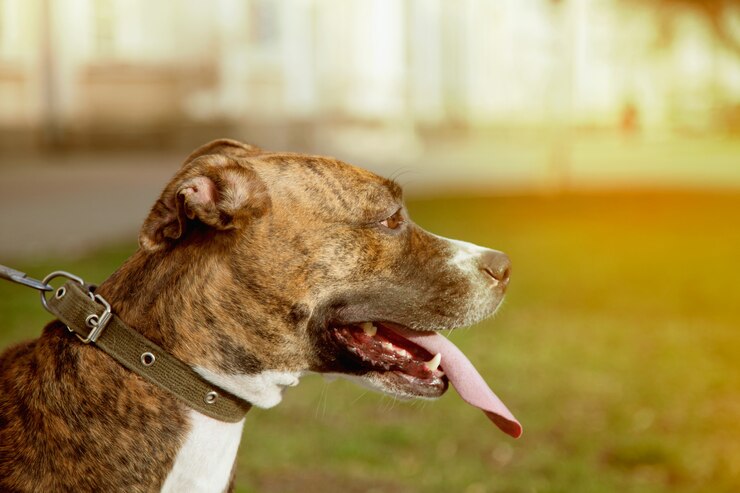
For many people, dogs play a vital role in daily life. Not only do they offer companionship, but they also provide comfort and reassurance. Because of this, some owners consider whether their dog can help protect their home. In particular, American Bully owners often wonder if this breed can serve as a guard dog.
Before making that decision, it is important to understand what guard training really involves and whether it suits the American Bully’s temperament.
Understanding the Difference Between Guard Dogs and Watchdogs
Many people confuse guard dogs with watchdogs. However, these roles differ significantly.
A guard dog actively protects property through controlled responses. In contrast, a watchdog focuses on alerting owners to unusual activity. Therefore, most family dogs perform better as watchdogs rather than true guard dogs.
Because American Bullies thrive on human interaction, they naturally fit the watchdog role.
American Bully Temperament and Natural Instincts
American Bullies are confident, loyal, and people-focused. As a result, they form strong bonds with their families. Unlike traditional guard breeds, they were not bred for independent protection work.
Nevertheless, their alert nature allows them to notice unfamiliar sounds quickly. For this reason, they often bark when something feels out of place.
Why Owners Consider Guard Training for American Bullies
Many owners want added peace of mind. Additionally, some believe guard training will improve discipline.
Common motivations include:
-
Desire for home awareness
-
Strong bond with the dog
-
Improved obedience
-
Increased confidence in unfamiliar situations
However, these goals require realistic expectations.
Benefits of Obedience-Based Protection Training
Rather than aggressive training, obedience-based protection focuses on control. As a result, dogs remain calm and predictable.
Key benefits include:
-
Improved listening skills
-
Stronger owner leadership
-
Reduced anxiety
-
Better behavior around strangers
Therefore, obedience training supports safety instead of risk.
Building a Strong Training Foundation
Training should always start with basics. First, teach commands such as sit, stay, and come. Next, reinforce leash manners and impulse control.
Because dogs learn through repetition, short daily sessions work best. Over time, consistent practice builds reliability.
Teaching Alert Behavior the Right Way
Alert behavior involves controlled barking. For example, owners can teach a “speak” command paired with a “quiet” command.
Additionally, walking your dog around the property helps establish familiar boundaries. During this process, use a leash to maintain control.
Most importantly, reward calm behavior rather than excitement.
The Role of Routine and Structure
Dogs thrive on predictability. Therefore, consistent schedules reduce stress. When routines remain stable, dogs feel secure.
Helpful habits include:
-
Regular feeding times
-
Daily exercise
-
Predictable walks
-
Consistent training sessions
As a result, behavior improves naturally.
Exercise and Mental Stimulation Matter
Physical activity supports emotional balance. Likewise, mental stimulation prevents boredom.
Recommended activities include:
-
Long walks
-
Interactive toys
-
Obedience drills
-
Puzzle feeders
Consequently, a tired dog stays calmer and more focused.
Socialization and Exposure
Socialization helps dogs understand the world. Therefore, exposing your American Bully to different people, sounds, and environments builds confidence.
Without socialization, dogs may react defensively. With proper exposure, they learn to assess situations calmly.
Mistakes Owners Should Avoid
Some owners unintentionally create problems. For example, encouraging aggressive behavior increases anxiety.
Common mistakes include:
-
Rewarding fear responses
-
Skipping obedience basics
-
Using punishment-based training
-
Ignoring stress signals
Instead, positive reinforcement creates lasting results.
When Guard Training Is Not Appropriate
Guard training does not suit every household. For instance, families with young children should prioritize stability.
Additionally, owners without time or experience may struggle. In these cases, professional guidance becomes essential.
Professional Training and Behavior Support
Certified trainers assess temperament before training begins. As a result, they tailor programs safely.
Furthermore, behaviorists address underlying stress triggers. This approach prevents long-term issues.
Legal and Safety Considerations
Owners remain responsible for their dog’s behavior. Therefore, improper training can carry legal risks.
Understanding local laws, leash requirements, and liability protects everyone involved.
Long-Term Expectations for American Bully Owners
An American Bully may never become a traditional guard dog. However, they often excel as alert, loyal companions.
Ultimately, success depends on patience, consistency, and realistic goals.
Frequently Asked Questions About a Bully to Be a Guard Dog
Can a Bully to be a Guard Dog really protect a home?
A Bully to be a Guard Dog can provide alertness and deterrence, but it usually functions better as a watchdog than a true guard dog. American Bullies are loyal and attentive, yet they lack the natural protective instincts of traditional guard breeds.
Is an American Bully aggressive enough to be a guard dog?
No. Aggression should never be the goal. Training a Bully to be a Guard Dog focuses on obedience, awareness, and controlled alert behavior—not attacking or threatening people.
What age should I start training a Bully to be a Guard Dog?
Basic obedience training should begin as early as 8–12 weeks. However, guard-style alert training should only start once the dog shows emotional maturity and solid obedience, usually after 12 months.
Does guard dog training make Bullies dangerous?
Improper training can increase anxiety and unpredictability. That is why a Bully to be a Guard Dog should only receive obedience-based, non-aggressive training. Professional guidance greatly reduces risk.
Is professional training necessary for a Bully to be a Guard Dog?
Yes. Professional trainers understand canine behavior and can safely assess whether your Bully has the temperament for alert or protection-style training. This prevents fear-based or aggressive behavior.
Are Bullies good watchdogs even without guard training?
Yes. Many Bullies naturally alert their owners to unfamiliar sounds or people. In many homes, this natural watchdog behavior is safer and more effective than guard training.
Who should NOT train a Bully to be a Guard Dog?
Households with small children, frequent visitors, or limited dog-handling experience should avoid guard training. In these cases, obedience and socialization work better.
Is it legal to train a Bully to be a Guard Dog?
Laws vary by location. Some areas restrict guard dog ownership or hold owners liable for incidents. Always check local laws before training a Bully to be a Guard Dog.
What is the biggest risk of guard training a Bully?
The biggest risk is reinforcing fear or anxiety. Without proper control, training may cause defensive reactions rather than protection.
What is the safest alternative to guard training?
The safest alternative is advanced obedience, alert barking control, and strong socialization. These methods provide security without increasing risk.
Conclusion
Training an American Bully as a guard dog requires thoughtful planning. While the breed can function as a reliable watchdog, it performs best with obedience-based training rather than aggression.
By focusing on structure, calm leadership, and positive reinforcement, owners create a confident, balanced dog. In the end, safety, trust, and responsibility matter more than intimidation.