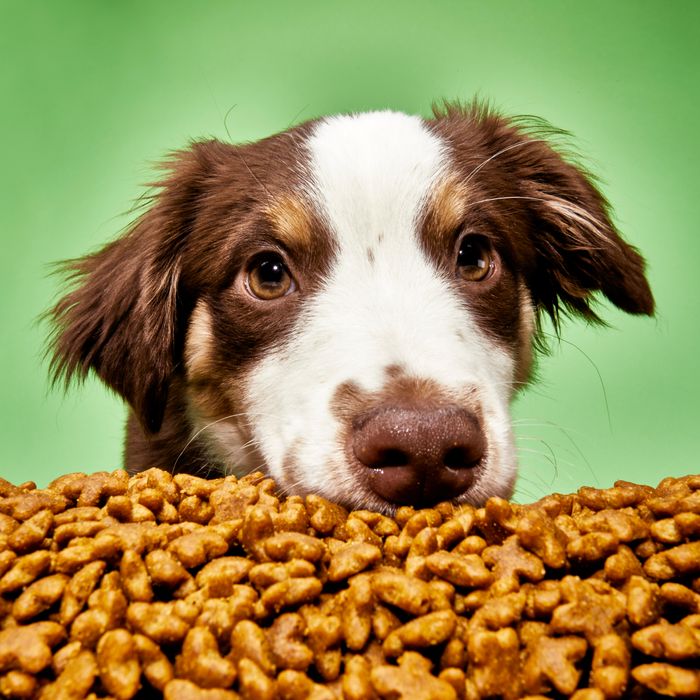
For the best hypoallergenic dog food options, consider brands like Royal Canin, Hill’s Science Diet, and Purina Pro Plan. These brands, specifically designed for dogs with food sensitivities and allergies, offer specially formulated recipes with limited ingredients, high-quality proteins, and essential nutrients to support your dog’s overall health.
If your dog experiences allergic reactions to common ingredients like wheat, soy, or dairy, these hypoallergenic dog food options can help alleviate their symptoms and support their well-being. Consequently, choosing the right hypoallergenic dog food is crucial to meeting the needs of your furry friend with allergies.
This article will explore the features of popular hypoallergenic dog food brands, providing insight into their ingredients, nutritional benefits, and potential effects on your dog’s health. By understanding the importance of hypoallergenic dog food and the available options, you can make an informed decision to keep your dog healthy and happy.
Understanding Hypoallergenic Dog Food
When it comes to understanding hypoallergenic dog food, it’s essential to recognize the specific dietary needs of sensitive pups. Hypoallergenic dog food is formulated to minimize allergic reactions, making it an ideal option for dogs with food sensitivities. Whether your furry friend has allergies to common dog food ingredients or suffers from digestive issues, hypoallergenic dog food can provide the nutrition they need without triggering adverse reactions.
What Is Hypoallergenic Dog Food?
Hypoallergenic dog food is specially designed to cater to the allergic needs of sensitive dogs. It typically consists of limited ingredients, excluding common allergens such as wheat, soy, and dairy. Additionally, hypoallergenic dog food may also contain novel protein sources like venison, duck, or salmon, which are less likely to provoke allergic responses in dogs.
Why Is Hypoallergenic Dog Food Important for Sensitive Pups?
Sensitive pups require hypoallergenic dog food to alleviate their allergic reactions and promote overall well-being. By providing a gentler and more easily digestible option, hypoallergenic dog food can minimize the risk of triggering adverse reactions, ranging from skin irritations to digestive discomfort. In turn, this specialized diet can significantly enhance the quality of life for dogs with allergies, ensuring they receive the necessary nutrients without compromising their health.
Key Ingredients to Look For in Hypoallergenic Dog Food
When choosing hypoallergenic dog food, it’s essential to consider specific ingredients that help minimize allergic reactions. Let’s explore key ingredients that can make a difference:
Single Source Protein
Dogs with allergies often benefit from a diet containing single source protein. This refers to food with only one type of animal protein, such as chicken, lamb, or fish. By minimizing the likelihood of an allergic reaction, it becomes easier to identify and manage potential allergens.
Grain-Free Options
Many hypoallergenic dog foods are grain-free, meaning they do not contain common allergens like wheat, corn, or soy. Instead, these foods typically use alternative carbohydrate sources like sweet potatoes, peas, or tapioca. These options can be gentler on a dog’s digestive system, reducing the risk of allergic reactions.
Limited Ingredient Formulas
Limited ingredient formulas minimize potential allergens by using fewer ingredients. These recipes usually feature a single protein source and a limited number of carbohydrates. Limited ingredient diets can be especially beneficial for dogs with food sensitivities or allergies, making it easier to identify and eliminate problematic ingredients.
Top Picks For Hypoallergenic Dog Food Brands
Here are some of the top hypoallergenic dog food brands that cater to sensitive pups:
Brand A: Best Overall
Brand A is the top choice for overall hypoallergenic dog food. With a commitment to using high-quality, natural ingredients, this brand offers recipes with limited and novel protein sources, such as venison and duck. As a result, this makes it a safe choice for dogs with allergies. Moreover, Brand A also avoids common allergens like grains, soy, and artificial additives, ensuring your dog receives the necessary nutrients for a healthy life.
Brand B: Budget-Friendly Option
For a more affordable option, Brand B delivers excellent quality without compromising on the nutritional value. Brand B focuses on high-quality ingredients and offers limited ingredient recipes, making it an excellent choice for dogs with sensitive stomachs. Despite the lower price, it ensures your dog gets a balanced diet with no unnecessary fillers.
Brand C: Specialized Diet Formulas
For dogs with specific dietary needs, Brand C offers specialized diet formulas tailored to address various health concerns. Whether your dog has food sensitivities, gastrointestinal issues, or requires a specific protein source, Brand C offers a range of options. Furthermore, their formulas include hydrolyzed protein diets that break down proteins into smaller components to reduce allergic reactions.
Feeding Tips and Guidelines for Sensitive Pups
Feeding sensitive pups requires extra care. Here are some tips to help transition your dog to hypoallergenic dog food while maintaining a proper feeding schedule:
Transitioning to Hypoallergenic Dog Food
If you suspect or have confirmed that your furry friend has food sensitivities or allergies, transitioning to hypoallergenic dog food is a crucial step in alleviating their discomfort. However, make sure you transition gradually to avoid digestive upset. Here’s how to transition smoothly:
-
Start by mixing a small amount of the new hypoallergenic dog food with their current food (75% current food, 25% new food).
-
Gradually increase the portion of the new food over the course of 1-2 weeks (50% current food, 50% new food).
-
Continue the transition until your dog is eating 100% of the new hypoallergenic dog food.
This gradual transition allows your dog’s digestive system to adapt without causing any sudden changes, which could lead to gastrointestinal upset. Remember, each dog is unique, so it’s essential to monitor their overall well-being throughout the transition process.
Portion Control and Feeding Schedule
Maintaining proper portion control and a feeding schedule is essential for sensitive pups. Follow these guidelines to ensure your pup gets the right amount of hypoallergenic dog food:
-
Consult with your vet to determine the right serving size based on your dog’s age, weight, and activity level.
-
Divide their daily serving into 2-3 smaller meals to aid digestion and prevent bloating.
-
Establish a consistent feeding schedule to ensure optimal digestion and routine.
Avoid free-feeding and leaving food out all day, as this can lead to overeating and disrupt the feeding schedule. Regularly monitor your dog’s weight and body condition, and adjust the portion size if needed to maintain a healthy weight.
Common Allergens in Dog Food to Avoid
When selecting hypoallergenic dog food, it’s crucial to avoid common allergens that can trigger reactions. These include:
Protein Allergens
-
Beef: Can cause digestive issues and skin irritation.
-
Chicken: Often triggers allergic reactions, leading to symptoms like vomiting and diarrhea.
-
Fish: While generally hypoallergenic, some dogs can still develop allergies to certain types of fish.
Grain Allergens
-
Wheat: A common allergen that causes digestive problems.
-
Corn: Can lead to ear infections and skin issues.
-
Soy: Known to cause digestive issues and skin allergies.
Artificial Additives and Preservatives
-
Food colorings: Can lead to skin problems and digestive issues.
-
Artificial flavors: May cause itching and gastrointestinal problems.
-
Preservatives: Chemicals like BHA and BHT can cause allergic reactions and health issues.
Frequently Asked Questions About Best Hypoallergenic Dog Food Options
What Food Is Best For Hypoallergenic Dogs?
The best food for hypoallergenic dogs includes limited ingredient diets with novel proteins like venison, duck, or rabbit. Grain-free options are often beneficial, as well as hypoallergenic formulas with easily digestible carbohydrates. Always consult your vet for the most suitable diet for your dog’s specific needs.
What Is The Best Dog Food To Feed A Dog With Allergies?
The best food for dogs with allergies is a limited ingredient diet (LID) that avoids common allergens such as grains, dairy, and artificial additives. Consulting with a veterinarian ensures you select the right food for your dog’s needs.
What Is The Best Food To Feed A Dog With Itchy Skin?
The best food for dogs with itchy skin is hypoallergenic food with novel protein sources like fish or venison. Limited ingredient formulas can help alleviate itching caused by food allergies.
What Is The Number 1 Food Allergy In Dogs?
The most common food allergy in dogs is to proteins like beef, chicken, or dairy. It’s important to consult a vet to identify the exact allergen and create a suitable diet plan for your dog.
Conclusion
To sum up, finding the best hypoallergenic dog food for your furry friend is essential in ensuring their overall well-being and health. By considering their specific dietary needs, such as avoiding common allergens like wheat, corn, and soy, you can help alleviate their allergies while providing essential nutrients.
Always consult with your veterinarian and conduct thorough research to make an informed decision. Remember, a happy and healthy dog starts from the inside out.