
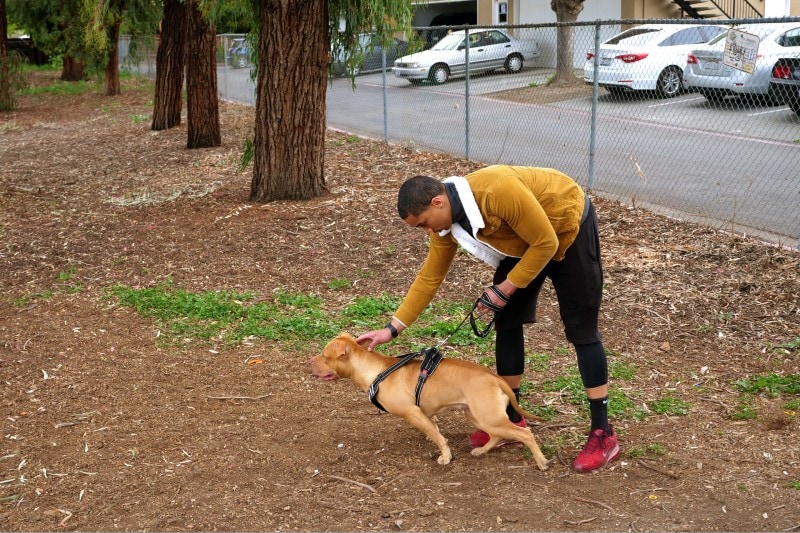
Bringing Pitbull and Mastiff puppies into your home is an exciting experience, but it also requires dedication, patience, and proper care to ensure they grow into well-behaved and happy adult dogs. Pitbull and Mastiff puppies are known for their loyalty, intelligence, and protective nature, but they also require consistent training, socialization, and attention to thrive in a family environment. This guide will provide you with everything you need to know about training, caring for, and raising Pitbull and Mastiff puppies, ensuring you give them the best start in life.
Pitbull Puppies: An Overview
Pitbulls are often misunderstood because of their reputation. However, they can be friendly, affectionate, and great family pets when raised correctly. They are energetic, strong, and highly loyal to their families.
Physical Characteristics of Pitbull Puppies
-
Size: Typically, Pitbull puppies grow into medium-sized dogs, with males weighing between 35-60 pounds and females around 30-50 pounds.
-
Coat: Pitbulls have short, smooth coats that come in a variety of colors. Regular grooming helps keep their coat healthy and shiny.
-
Energy Level: As puppies, they are full of energy and need plenty of exercise to stay healthy and avoid developing destructive behaviors.
Personality of Pitbull Puppies
-
Loyal and Affectionate: Pitbull puppies are known for being incredibly loyal to their families. They enjoy spending time with people and can be very affectionate.
-
Playful and Active: These puppies love to play and need regular physical and mental stimulation to stay happy.
-
Intelligent and Trainable: While they can be stubborn at times, Pitbull puppies are generally very intelligent and can learn commands quickly if trained consistently and with positive reinforcement.
Mastiff Puppies: An Overview
Mastiffs are large, gentle giants known for their calm demeanor and protective nature. They are great companions and can be very affectionate with their families. Mastiff puppies grow into large, strong dogs, but despite their size, they tend to be laid-back and friendly.
Physical Characteristics of Mastiff Puppies
-
Size: Mastiffs grow into some of the largest dogs in the world. When fully grown, males can weigh between 120-230 pounds, and females range from 100-180 pounds.
-
Coat: Mastiffs have short, dense coats, which require minimal grooming. However, they do shed, so regular brushing helps manage this.
-
Energy Level: While Mastiffs are less active than Pitbulls, they still need regular exercise to stay fit and healthy. They are generally calm but need playtime to maintain a healthy weight and prevent boredom.
Personality of Mastiff Puppies
-
Calm and Gentle: Mastiffs are known for being calm and gentle, especially around family members. They are often patient and loving, making them excellent family pets.
-
Protective: Although gentle, Mastiffs are naturally protective of their families. They are known to be excellent watchdogs.
-
Independent but Loyal: Mastiff puppies can be independent, but they are extremely loyal to their families and often form strong bonds with their owners.
Training Your Pitbull and Mastiff Puppies: Tips for Success
Training your Pitbull and Mastiff puppies is essential to ensure they grow up to be well-behaved dogs. Both breeds are intelligent, but they require different approaches due to their unique temperaments. Below are training tips for each breed:
Pitbull Puppy Training Tips
-
Start Early: Begin training your Pitbull puppy as soon as you bring them home. They are eager to please and learn quickly, so early socialization and basic obedience training are crucial.
-
Use Positive Reinforcement: Pitbulls respond well to positive reinforcement, such as treats, praise, and toys. Always reward your puppy when they follow a command or show good behavior.
-
Consistency is Key: Be consistent with commands and expectations. Pitbulls are smart, but they need to know what is expected of them. If you change the rules too often, they might become confused.
-
Socialize Your Pitbull Puppy: Expose your Pitbull to different people, places, and other animals from an early age. This will help them develop into a well-rounded dog that’s comfortable in a variety of situations.
-
Mental and Physical Stimulation: Pitbull puppies are highly energetic and need regular exercise. Long walks, play sessions, and interactive toys will help keep them physically and mentally engaged.
Mastiff Puppy Training Tips
-
Start with Basic Commands: Mastiffs are more laid-back than Pitbulls, but they still need basic training. Start with simple commands like “sit,” “stay,” and “come” to build a strong foundation.
-
Be Patient and Calm: Mastiffs tend to be more independent, so they may not be as eager to please as a Pitbull. Training should be done calmly and with patience, rewarding them when they follow commands.
-
Early Socialization: While Mastiffs are naturally calm, it’s still essential to expose them to new people, dogs, and environments. Socializing early will help your Mastiff grow up to be friendly and confident.
-
Short Training Sessions: Mastiff puppies can sometimes become distracted during long training sessions. Keep training sessions short and fun to maintain their interest.
-
Use Positive Reinforcement: Just like with Pitbulls, positive reinforcement is essential when training Mastiff puppies. Reward them with treats and praise when they do something right.
Common Mistakes to Avoid When Raising Pitbull and Mastiff Puppies
When raising Pitbull and Mastiff puppies, it’s easy to make some common mistakes. Here are a few things to avoid:
1) Overlooking Early Socialization
Both Pitbulls and Mastiffs need proper socialization early on. Failing to expose your puppy to various people, animals, and experiences can lead to fear, aggression, or anxiety issues later on.
2) Inconsistent Training
If you’re not consistent with your commands and rules, both Pitbull and Mastiff puppies can get confused and may not follow instructions. Consistency is key to helping them understand what you expect.
3) Ignoring Mental and Physical Exercise
Pitbull puppies require plenty of mental and physical stimulation, while Mastiff puppies also need regular exercise. Without enough activity, both breeds may become bored and engage in destructive behaviors like chewing or digging.
4) Overfeeding or Underfeeding
Pitbull and Mastiff puppies need a balanced diet to grow into healthy adults. Overfeeding can lead to obesity, while underfeeding can stunt their growth. Consult with your vet to ensure you are feeding them the appropriate amount.
Caring for Pitbull and Mastiff Puppies: Health and Grooming
Proper care is essential to keep your Pitbull and Mastiff puppies happy and healthy. Here are some care tips to consider:
Pitbull Puppy Care
-
Diet: Feed your Pitbull puppy high-quality puppy food that meets their nutritional needs. Pitbulls are prone to food allergies, so choose food that suits their digestive system.
-
Exercise: Pitbulls need daily exercise to burn off energy. Regular walks, runs, and playtime will keep them healthy and fit.
-
Health Checkups: Regular vet visits are crucial for vaccinations and overall health. Pitbulls can be prone to hip dysplasia and heart disease, so keep an eye on their health.
Mastiff Puppy Care
-
Diet: Mastiff puppies need a high-protein diet to support their growth. Since Mastiffs grow quickly, feeding them a diet formulated for large breeds is essential to avoid joint problems.
-
Exercise: While they are less active than Pitbulls, Mastiffs still require regular walks and moderate playtime to stay fit.
-
Health Checkups: Due to their size, Mastiffs are prone to joint issues like hip dysplasia. Regular vet checkups and maintaining a healthy weight are important for preventing these issues.
Conclusion: Raising a Happy and Healthy Pitbull or Mastiff Puppy
Raising a Pitbull or Mastiff puppy can be incredibly rewarding. Both breeds are loving, loyal, and affectionate, but they do require proper training, socialization, and care to ensure they grow into well-behaved adults. By starting early with basic training, providing plenty of exercise, and maintaining a consistent routine, you’ll be setting your puppy up for a lifetime of happiness and good behavior.
Remember to avoid common mistakes like neglecting socialization, inconsistent training, and not providing enough physical and mental stimulation. With the right approach, your Pitbull or Mastiff puppy will grow into a well-adjusted and loving companion who will bring joy to your life for many years.